
Preschool Bilingual Learning for Our Youngest Learners
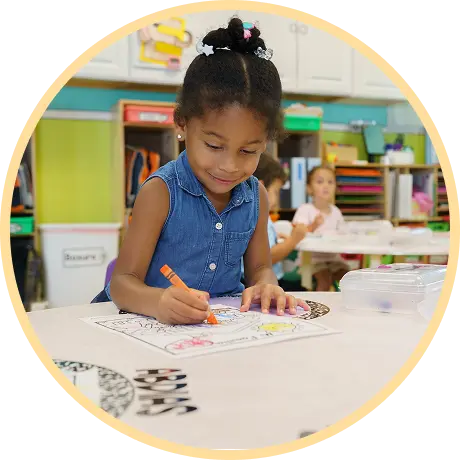
Academic Growth
Building strong early learning foundations through cognitive skill development and meaningful experiences.
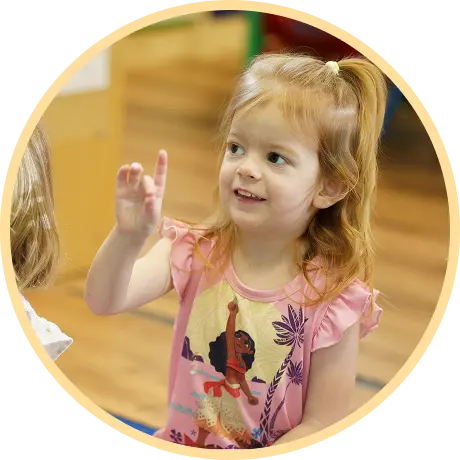
Language Confidence
Expanding communication through everyday experiences with a strong language and literacy focus.
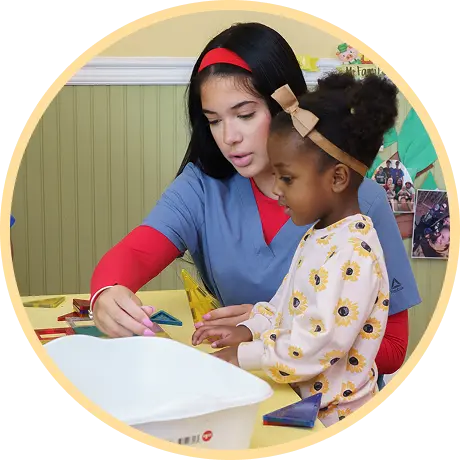
Hands-On Discovery
Learning through engaging classroom activities that encourage curiosity and problem-solving.
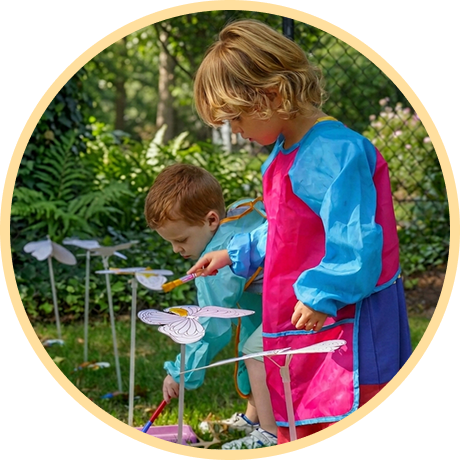
Creative Expression
Encouraging imagination, confidence, and new ways to share ideas.
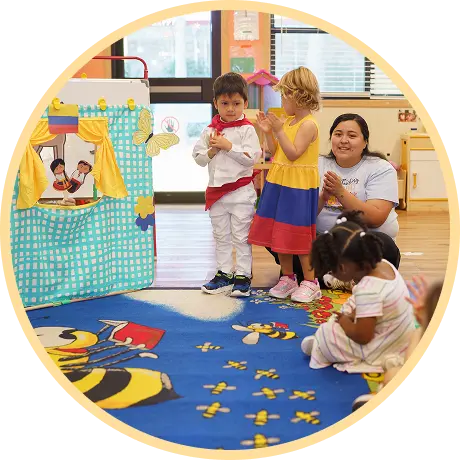
Cultural Awareness
Developing respect for different people, traditions, and perspectives.
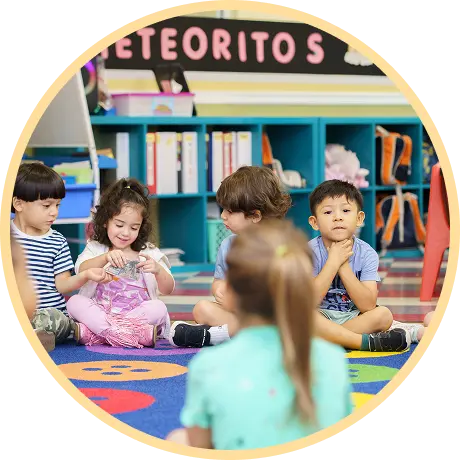
Joyful Learning
Inspiring curiosity and a lifelong love of learning.


Questions You May Have
Some adjustment is normal, similar to any new environment. Teachers use visual cues, routines, and lots of repetition to help new students orient quickly, and most children begin understanding common classroom language within the first few weeks.
Through what's called “comprehensible input”: simplified language, gestures, demonstration, and predictable routines, so children can follow along and participate even before they understand every word.
It's full immersion. Spanish is the primary language of instruction throughout the day, used for daily routines, play, and academics, rather than taught as a standalone lesson.
No. This is one of the most well-documented findings in bilingual education. Preschoolers in immersion programs continue developing English at home and in the wider world and generally catch up to or exceed monolingual peers in both languages by early elementary.
You don't need to speak Spanish yourself. Asking your child to teach you words they've learned, listening to Spanish songs together, or just showing enthusiasm about what they're picking up all reinforce their motivation and confidence.